Fault Diagnosis of Turbocharger Oil Leakage in Diesel Engines
2026-06-05samuel, zcm
Oil leakage is one of the most common issues with turbochargers. Accurate diagnosis and timely correction can effectively
prevent premature turbocharger failure and significantly reduce unnecessary warranty returns.The following conditions are the primary causes of turbocharger oil leakage:
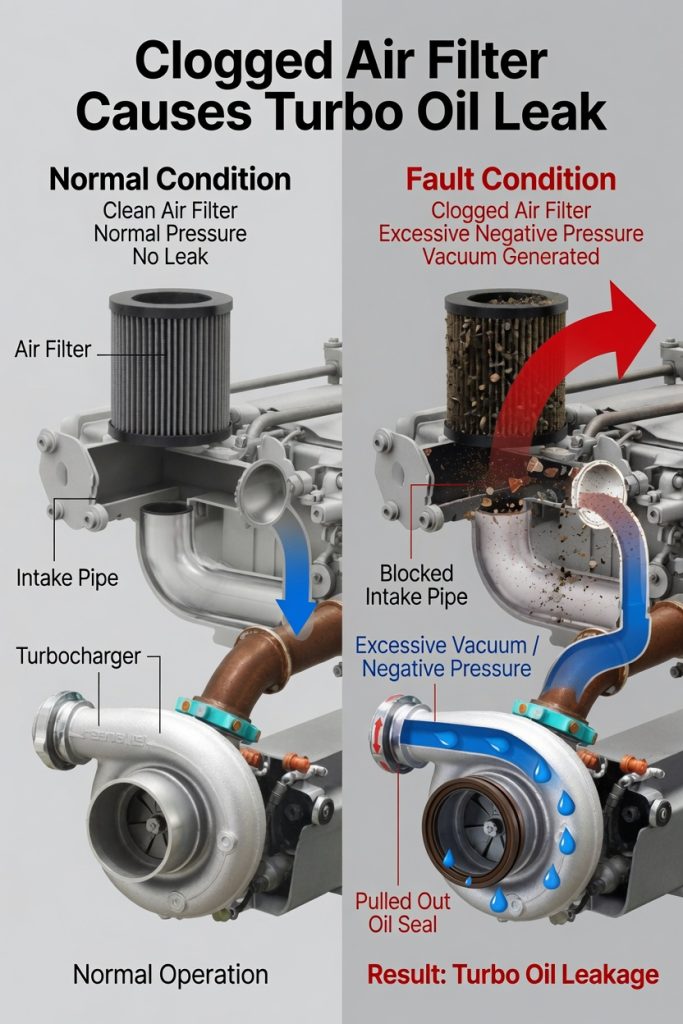
Clogged engine air filter or restricted intake duct, creating excessive negative pressure (vacuum) in the intake system.
Carbon deposits or sludge buildup inside the center housing oil cavity, impeding proper oil return.
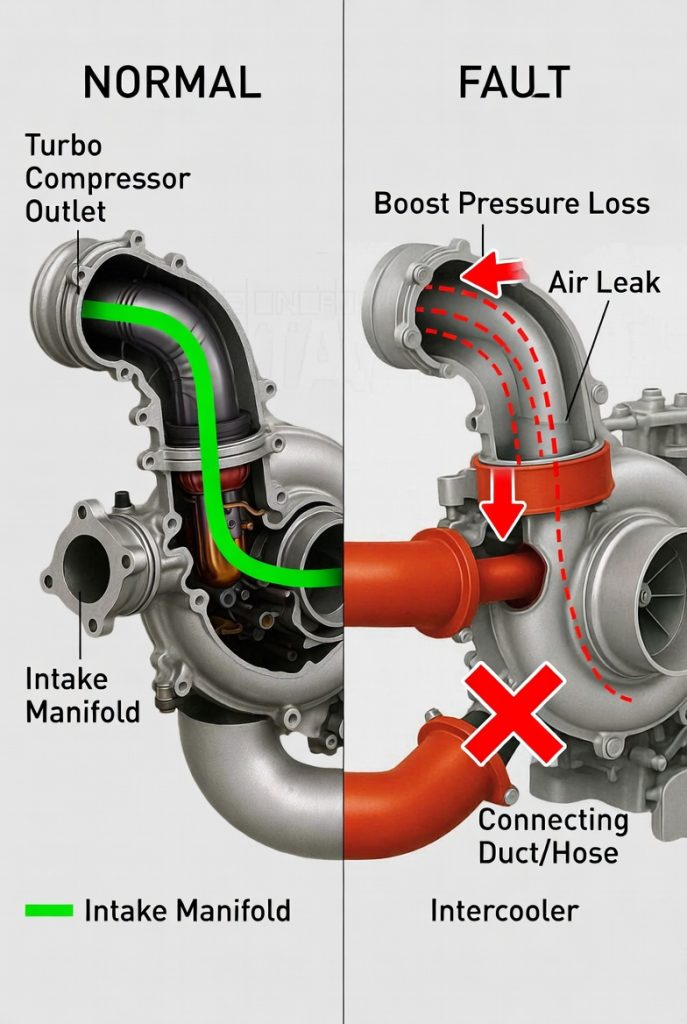
Air leakage in the connecting duct between the compressor housing outlet and the engine intake (post-intercooler).
Air leakage at the joint between the turbine housing inlet and the exhaust manifold.
Prolonged excessive idling time.
Excessively high crankcase oil level or oil pressure, combined with a clogged or restricted crankcase ventilation (PCV) system.
Severe engine blow-by (excessive crankcase pressure).
Important Notes for Distributors:
If the turbocharger appears physically undamaged, the rotor assembly spins freely by hand, and there is no sign of blade-to-housing contact or wheel rub, the turbocharger itself is typically in good working condition.
The majority of “oil leaking” turbochargers returned under warranty are found to be fully functional upon inspection. These unnecessary returns are usually the result of misdiagnosis of the root cause. Proper troubleshooting before replacement can dramatically reduce return rates and improve customer satisfaction.